01
Initial Site Consultation
A meeting to discuss the property's current state and potential planning directions.
An informational framework for considering the planning and structure of residential and commercial outdoor areas, including design and installation methodologies.
Request a Consultation Outline
Garden Harmony operates as a service framework for outdoor space planning. The methodology involves an assessment of existing site conditions, followed by the development of a structured design plan. This plan considers elements such as plant selection, material choices for hardscapes, and the logistical sequence for installation. The process is designed for homeowners and property managers seeking a systematic approach to their outdoor environments.

The organization of an outdoor area involves multiple considerations. Factors such as sunlight patterns, soil composition, and existing infrastructure are typically reviewed. A structured plan may account for the placement of pathways, seating areas, and plant groupings. The methodology focuses on creating a coherent layout rather than prescribing a specific aesthetic outcome.
A meeting to discuss the property's current state and potential planning directions.
Creating preliminary layout drawings and material selection frameworks.
A phase for discussing the proposed design and any modifications.
The scheduled execution of the agreed-upon landscape plan.
The consultation provided a clear overview of the planning steps involved. The crew followed the outlined schedule.
We discussed several layout options for our garden. The process was transparent from start to finish.
The methodology for selecting plants suited to our local climate was explained in detail.
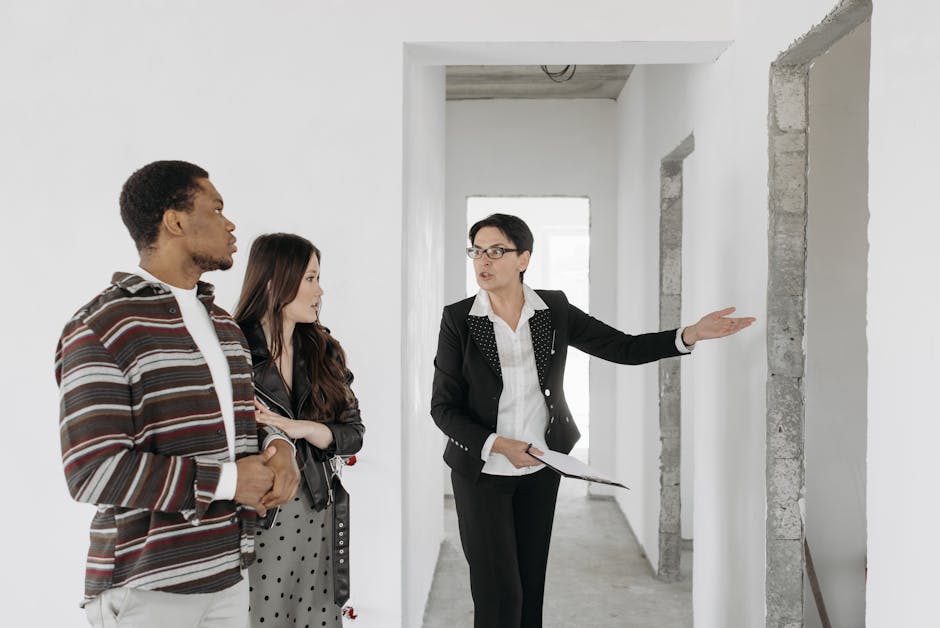
Garden Harmony's framework includes a component dedicated to plant selection and hardscape design. This involves reviewing species that are commonly suited to the regional climate and soil types found in Japan. Design plans may incorporate both softscape elements, like shrubs and trees, and hardscape features such as stone pathways or wooden decks, presented as part of a comprehensive layout proposal.
A landscape plan often considers the relationship between built and planted elements. Hardscapes provide structure and define spaces, while softscapes introduce organic forms and seasonal variation. The integration of these components is a focus of the design methodology, aiming for a balanced and functional outdoor layout.
Clearing and grading the area according to the design specifications.
Installing foundational elements like paths, walls, and irrigation systems.
Placing trees, shrubs, and ground cover as per the design plan.
A final walkthrough to confirm all elements are installed as planned.
Effective outdoor space planning considers multiple variables. Climate patterns influence plant hardiness and irrigation needs. Soil type affects drainage and nutrient availability, informing planting choices. The intended use of the space—whether for entertaining, relaxation, or utility—guides the layout of features. Local building codes and property boundaries are also reviewed to ensure compliance. This multifaceted approach forms the basis of a structured design methodology.
Operating in Japan, Garden Harmony's planning incorporates awareness of regional environmental factors. This includes considering plant species that thrive in Japan's distinct seasonal climate, from humid summers to cooler winters. Design approaches may also reflect traditional Japanese garden aesthetics, such as the use of specific stones or pruning styles, when these elements are included in the client's discussed preferences, integrating them into a modern planning framework.
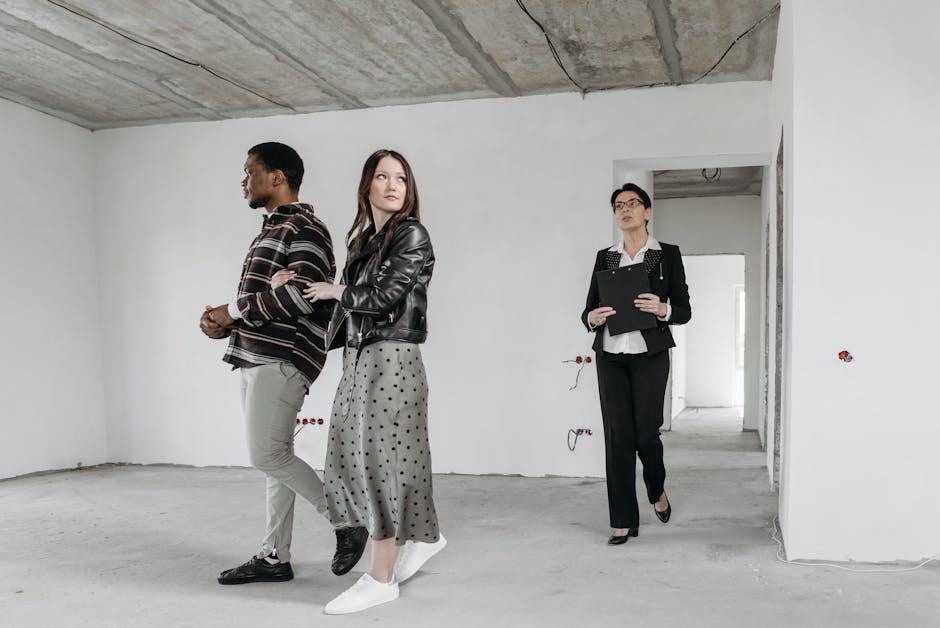
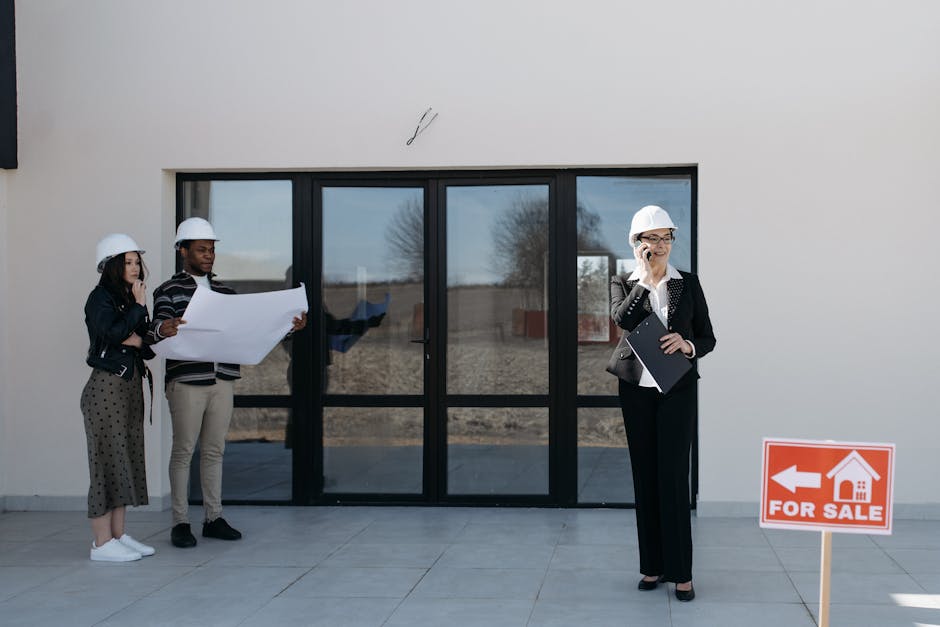
Reviewing unique property conditions like sunlight, slope, and soil before planning.
Creating scaled layout plans that detail proposed placements and materials.
Considering plant choices based on regional climate and maintenance factors.
A phased approach to executing the design plan with a dedicated crew.

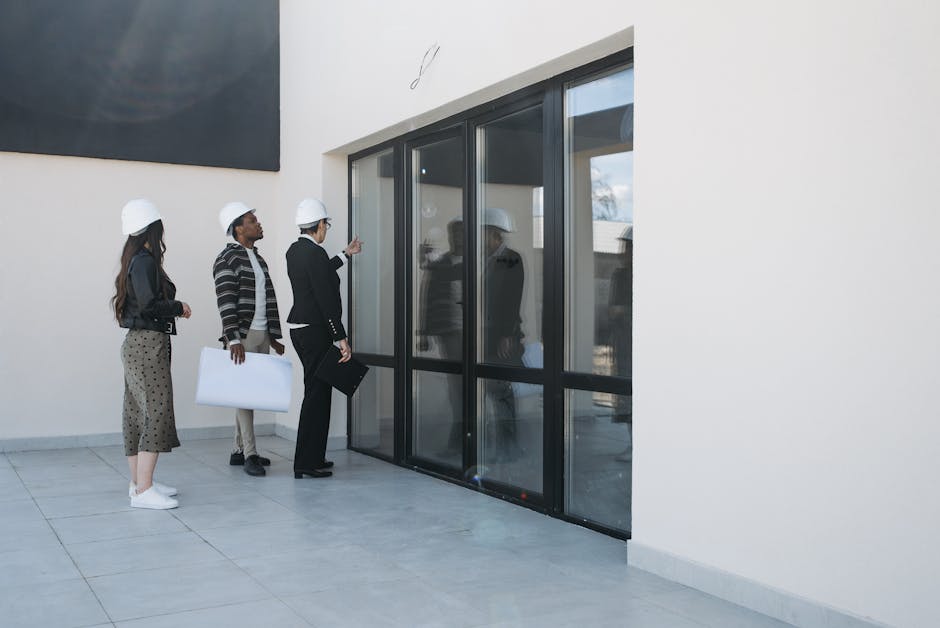
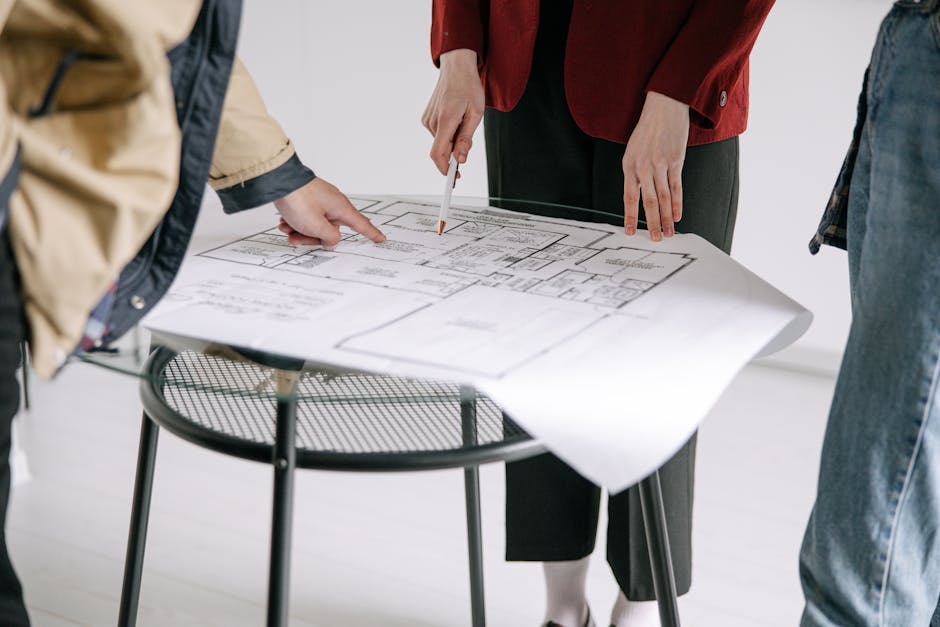
Hardscape elements form the structural backbone of many outdoor designs. Common materials include natural stone, which offers durability and a range of textures, and pavers, which provide uniformity and ease of installation. Wood, often used for decks and pergolas, requires specific treatment for longevity in outdoor conditions. The selection process involves comparing these materials based on factors like cost, durability, maintenance requirements, and aesthetic compatibility with the overall site plan.
Garden Harmony's services are structured to accommodate the needs of property management entities. This involves scheduling consultations outside of tenant hours, providing detailed documentation for property records, and planning for long-term durability and ease of maintenance. The process is designed to be transparent, with clear communication channels established to coordinate with management teams throughout the planning and implementation phases.
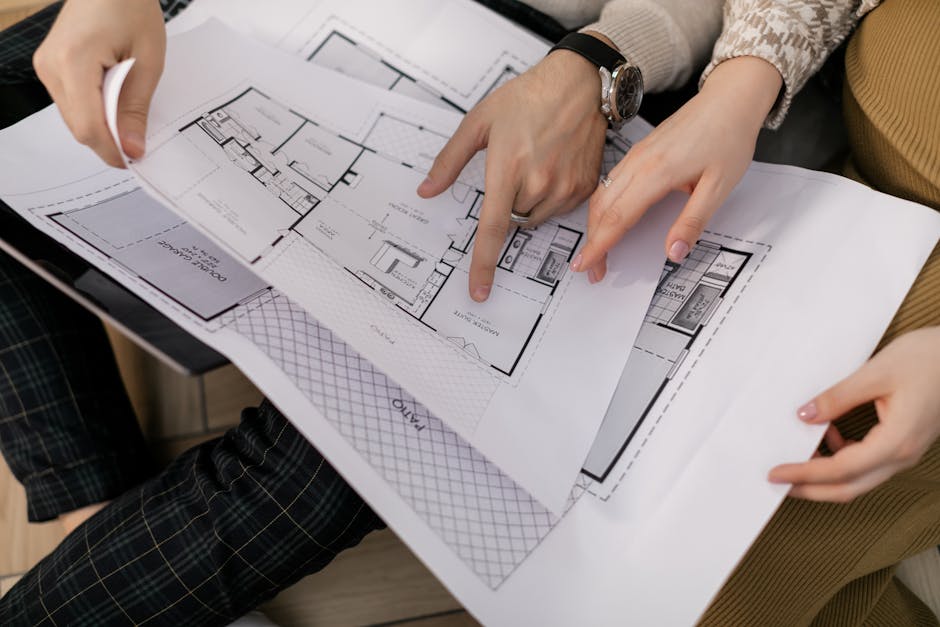

Providing clear plans, material lists, and schedules for client review.
Structured discussions to align on project scope and design direction.
Breaking down the implementation into manageable, sequential stages.
Incorporating knowledge of local climate and growing conditions into plans.
To receive an outline of our consultation process, please provide your details below.